
To verify whether two casinos are sister sites in Britain, identify the exact domains, find the legal gambling operator in each site's current terms, and compare those names with the Gambling Commission business register where a GB licence is claimed. Name a sister only when the sources connect two distinct brands to the same operator. A common game supplier or affiliate programme establishes a different kind of association.
Contents7 sections
What a sister-site check can establish
Two casino brands are sister sites under a shared operator when their current terms identify the same company as the gambling provider. The terms may instead name separate companies within one group, or show only a software or marketing connection. Even where the operator matches, each service's customer terms determine account access and offer eligibility. For a British claim, the Gambling Commission business register supplies a second check on the named company and domain.
Record the exact casino domains before comparing operators
Write down the address where each casino actually provides its service. One brand may use several addresses, and two services with related names may have different operators. Read the terms attached to each service before deciding whether the brands share a gambling company.
Open the legal information on each exact site. It may be linked from the footer, account terms, general terms or licensing notice. Record the document title and date if given. The relevant sentence should identify the company responsible for the gambling service or the entity with which the customer contracts. If the only company named is a data controller or payment processor, its role has not yet been shown to be the operator. A company name in a privacy notice may answer who handles personal data but not who accepts bets. A claimed British operator can then be checked by name and domain in the Commission's register.
| Field | What to capture for site A and site B | Why it matters |
|---|---|---|
| Casino and address | The brand and website where its current terms are published. | Connects the legal statement to the service being compared. |
| Customer terms | Document URL, date or version, and named contracting company. | Identifies the legal role at each service. |
| Licence claim | Issuer, licence holder and number if published. | Identifies the company and jurisdiction named in the claim. |
| GB register entry | Exact domain, business name and recorded status if GB service is claimed. | Tests the British claim against the regulator record. |
Check a GB licence against the Gambling Commission register
For a service presented as GB-licensed, search the Commission's business register by the domain, company and trading name. Check that the licence record is current and that the relevant domain appears in the business's published domain information. The Commission warns that submitted domains and trading names are supplied by businesses, so pair the record with current operator terms. A mismatch needs investigation, not an immediate accusation or an assumption that the register is irrelevant.
An exact-domain check keeps the licence finding tied to the service recorded by the regulator. A licence held by one company does not automatically cover every related casino name; inspect the domain entries attached to that business. Conversely, a failed brand-name search does not prove that the brand is unlicensed because the register may use the legal company name. Search the domain, company and trading name before drawing a conclusion, and keep the record so the result can be retraced.
The register answers a British licensing question, not an offer or account question. An overseas licence cannot fill a missing GB entry: the Commission explains that a licence from another country does not authorise service to consumers in Great Britain. Keep the jurisdiction beside each licence claim before comparing the two casinos.
Compare the legal operator named in each casino’s terms
Once both operator names are established, compare their legal identity. The cleanest case is two distinct brands whose current terms name the same operator, with a regulator or corporate source supporting the link. A more complicated case uses two companies under one parent. That may be a common ownership finding, but it is not automatically a single-operator finding. If a document calls the second site a “partner”, determine whether it means an affiliate, supplier or operated brand. The FatPirate brand comparison follows a shared affiliate programme without assigning its casino brands one unproven gambling operator.
Compare the same legal role on both sides: who actually operates the gambling service? “Part of a network” and “powered by” answer different questions. Name the relationship with the verb each source supports: operates, owns, supplies or advertises.
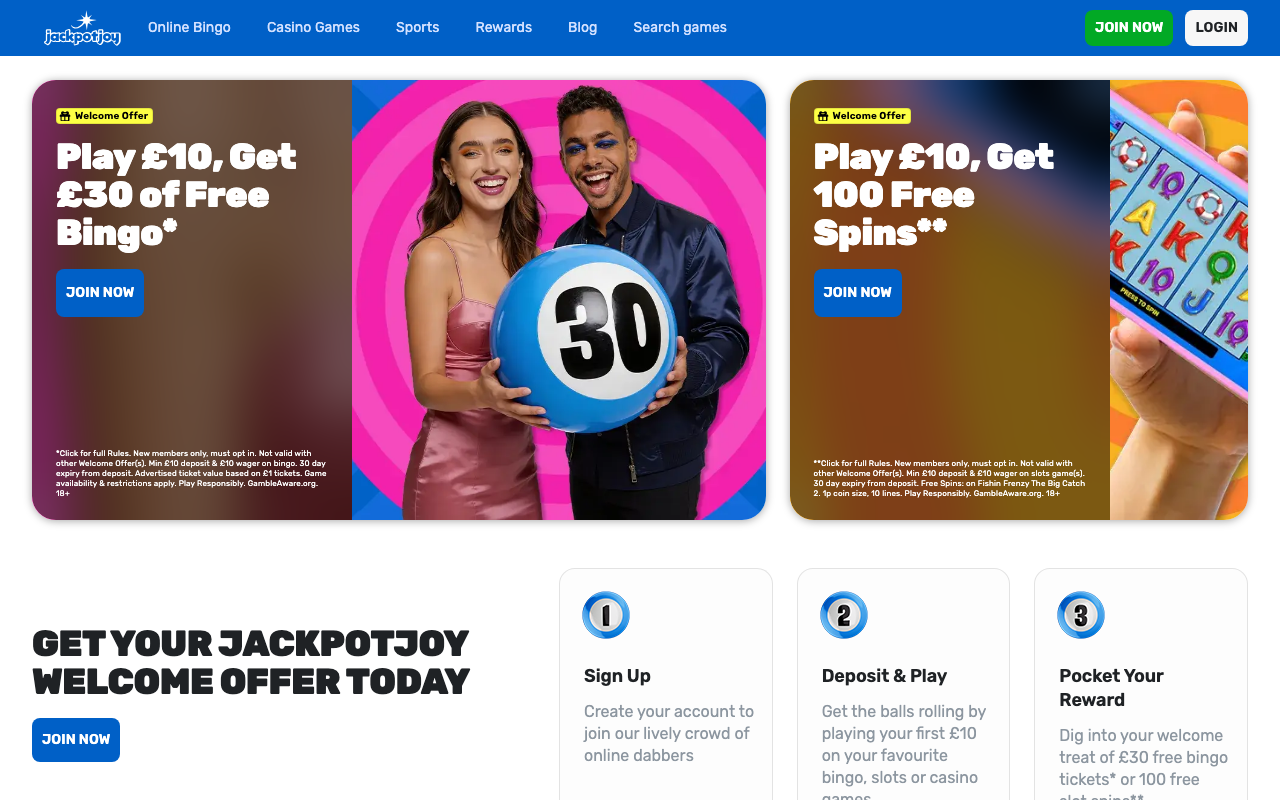
The Jackpotjoy investigation contains the fuller record behind this worked comparison. Jackpotjoy's About page names Gamesys Operations Limited as its operator, and Bally Casino's About page names the same company. The documents justify a same-operator label for two distinct brands, but do not establish a shared login or a Bally offer for a Jackpotjoy customer. Checked on 25 September 2026, the Commission's Gamesys entry records both exact domains as Active under account 38905.
When sources conflict, record the conflict and dates. A current terms page may name one company while an older corporate announcement names another. The likely explanation may be an acquisition or migration, but do not invent its date or scope. Search for an operator notice or regulator update. If neither resolves the discrepancy, report the two company statements with their dates and refrain from naming a current sister. The reader gains more from a precise document trail than from an apparently decisive but unsupported list.
Separate a sister brand from a mirror domain
Two addresses can be associated without two brands existing. A redirect is a route, not a second casino. A regional domain may carry the same branding and account under the same service. A language version can be another presentation of one brand. These relationships may matter for domain safety and licence coverage, but they should be labelled as mirrors, redirects or variants when the evidence supports those terms. Counting them as sisters inflates the inventory and makes account comparisons incoherent.
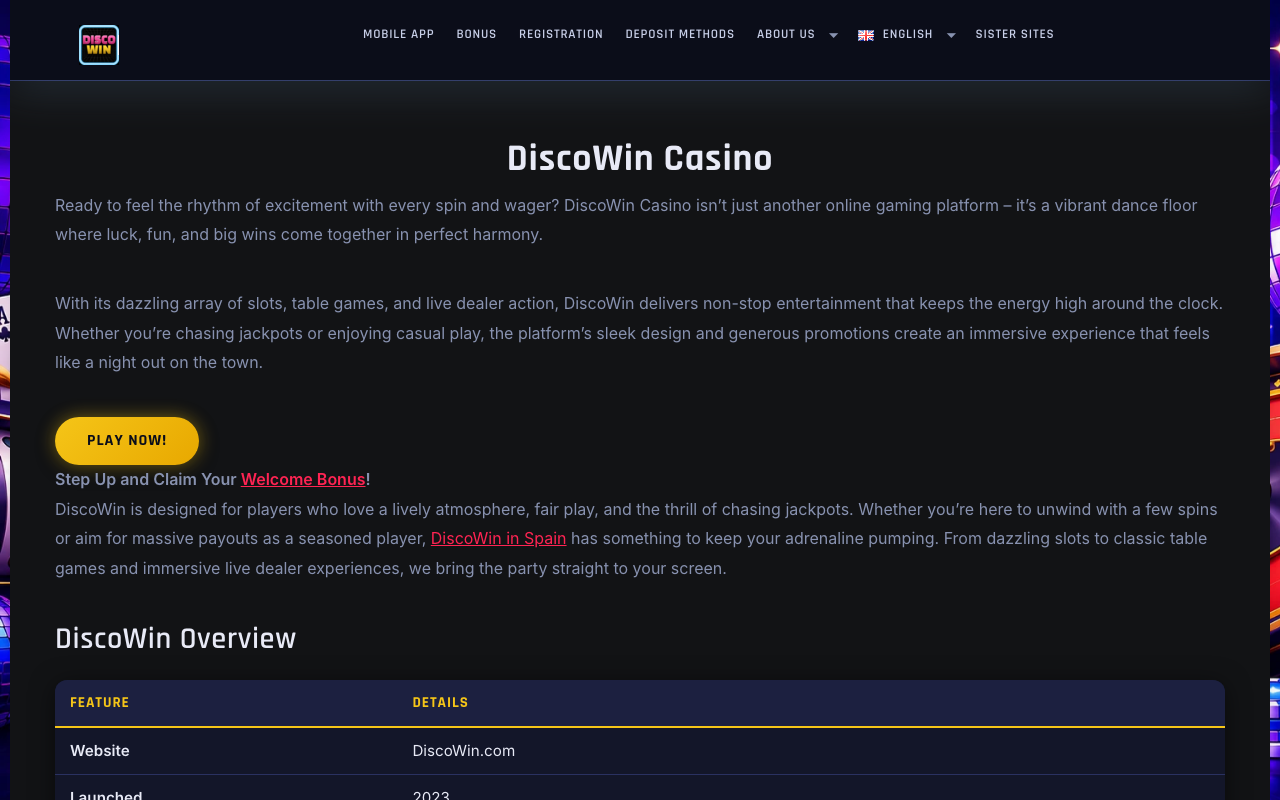
Another address can lead to a service with its own account terms, even when the brand name is closely related. Compare the operating company and customer agreement at each destination before treating the addresses as one casino or as two sisters. The Disco Win investigation examines why competing company attributions cannot be resolved from a list of related names alone.
The Jackpotjoy record shows why a White Label entry needs its own description. A software “skin” may have a separate brand presentation while another company supplies the platform, but the operator terms determine who is responsible for the gambling service. The platform label should not hide that legal answer or turn a White Label entry into an independent active brand. The Gamesys domain list distinguishes Active from White Label entries.
The Mr Vegas investigation shows the opposite counting error: the Gambling Commission lists four Active domains under Videoslots Limited, but two addresses belong to one Video Slots brand. The distinct brands in that comparison are Mr Vegas, Video Slots and Mega Riches. Count services after matching their exact addresses in the Videoslots register record.
| Result of comparing the two sites | Accurate wording | Next check, if needed |
|---|---|---|
| One address redirects to the other brand’s site. | Redirect or alternate route, not a second brand. | Verify the destination’s operator. |
| Distinct brands’ current terms name the same gambling company. | Same-operator sister sites. | Check any GB licence claim for both exact domains. |
| Different operators have a documented common parent. | Common group ownership. | Keep the separate customer contracts visible. |
| Only software or affiliate material links the brands. | Platform or marketing association. | Find the operator terms before claiming a sister. |
Check the account, offer or complaint consequence separately
After confirming a shared operator, ask why the relationship matters. A reader seeking another welcome offer needs the particular promotion's eligibility clause. Some clauses refer to prior customers, households, payment methods or brands in a group. A shared operator can be a reason to inspect those terms, but it cannot supply their text. Our welcome-eligibility article treats this question separately from proof of ownership.
A reader comparing safer-gambling controls needs the current exclusion policy, not merely an operator name. The Gambling Commission's guidance explains self-exclusion duties for its licensees. A customer should ask each relevant operator which accounts and services a restriction covers and keep the answer in writing. A person who has self-excluded can use NHS support routes rather than testing access through another brand.
A reader with a complaint needs the legal respondent and the applicable process. Preserve the terms, account history, transactions and messages. Raise the issue with the operator named in the contract, then use the Commission's complaint guidance where the service is GB-licensed. A sister label does not transfer a dispute to another brand or change the regulator's jurisdiction. Knowing the relationship can help identify the company; it does not decide the merits of a particular case.
State the relationship with its source and date
A useful sister-site answer names both brands and domains, the company operating them, and the dated source for each side. Virgin Games, for example, needs its White Label status alongside the Gamesys connection. A company record cannot answer whether a balance transfers or a welcome offer applies; those claims need the relevant account or promotion terms.
Save the terms and regulator entries you used, with the two domains, company names and dates. If one source changes, the record shows which part of the conclusion needs revision. It also preserves the difference between a parent-company statement and the operator named in a customer contract.
Virgin Games and Virgin Bet make a useful final check on the wording of a finding. The Commission places Virgin Games under Gamesys account 38905 as a White Label, but the Virgin Bet register entry names Virgin Bet Limited, account 54310. A concise result is that the two services share Virgin branding but have different recorded British operators. Link both entries and name their status; do not turn the common name into a claim about shared accounts. If either record changes, those two source dates show exactly which finding needs to be checked again.
A result without a named sister should still say what was found. The Mad Casino record names co-listed domains under Softon, while Paradise8's legal pages leave its present operator unnamed. These are different outcomes, even though neither gives a customer a cross-brand account rule. Keep that distinction in the conclusion instead of reducing both to “not verified”.

Frequently asked questions
The terms page has no publication date. How should I record it?
Record when you accessed it and keep the exact URL and relevant wording. An access date tells you when the page was observed; it does not establish when the company relationship began. Use a separately dated record for that historical claim.
The licence number matches, but the company names differ. What should I record?
Keep both names exactly as published, with the domains, dates and register entry. A rename or market-specific company can explain a difference, but a matching number alone does not resolve it. Identify which business each source says provides the account.
A saved casino link now opens a different brand. Should I enter my old login?
First find an attributable account-transition notice or use a contact already associated with your account. The redirect only identifies the destination; it does not authenticate a request for credentials or establish that the balance transferred.
Where can an unnamed “Company” in casino terms be identified?
Search the exact domain and licence number in the regulator’s register. Look for a named operator in the current site terms. If none appears, an affiliate list cannot supply the missing legal company.
Do two domains in one register always mean two different casino brands?
No. One brand may use more than one address. Compare the customer-facing names as well as the domains before counting sisters; otherwise a mirror or regional address can be mistaken for another casino.