
Sister casinos do not automatically share or independently reset welcome-bonus eligibility. The current promotion terms decide whether a previous account or offer at a related brand counts against a new-customer condition. An accepted registration screen or new email address does not settle the matter.
Contents7 sections
Does a shared casino operator decide welcome-offer eligibility?
A sister-site investigation asks who operates two distinct brands. An eligibility question asks whether a specific promotion is available to a particular person under its current conditions. The first answer can guide the second inquiry, but it cannot replace the promotion text. One operator might run separate account systems yet restrict introductory offers across the group. Another might run a shared login with terms that define eligibility in a different way. The legal relationship is context; the offer clause is the rule being applied.
A welcome headline may omit an exclusion for customers of another brand run by the operator. The relevant condition can sit in the full promotion terms or in general bonus rules incorporated by reference. A new logo or registration form says nothing about that clause. The reader needs the exact offer version and its definition of an eligible customer before treating a second-brand promotion as available.
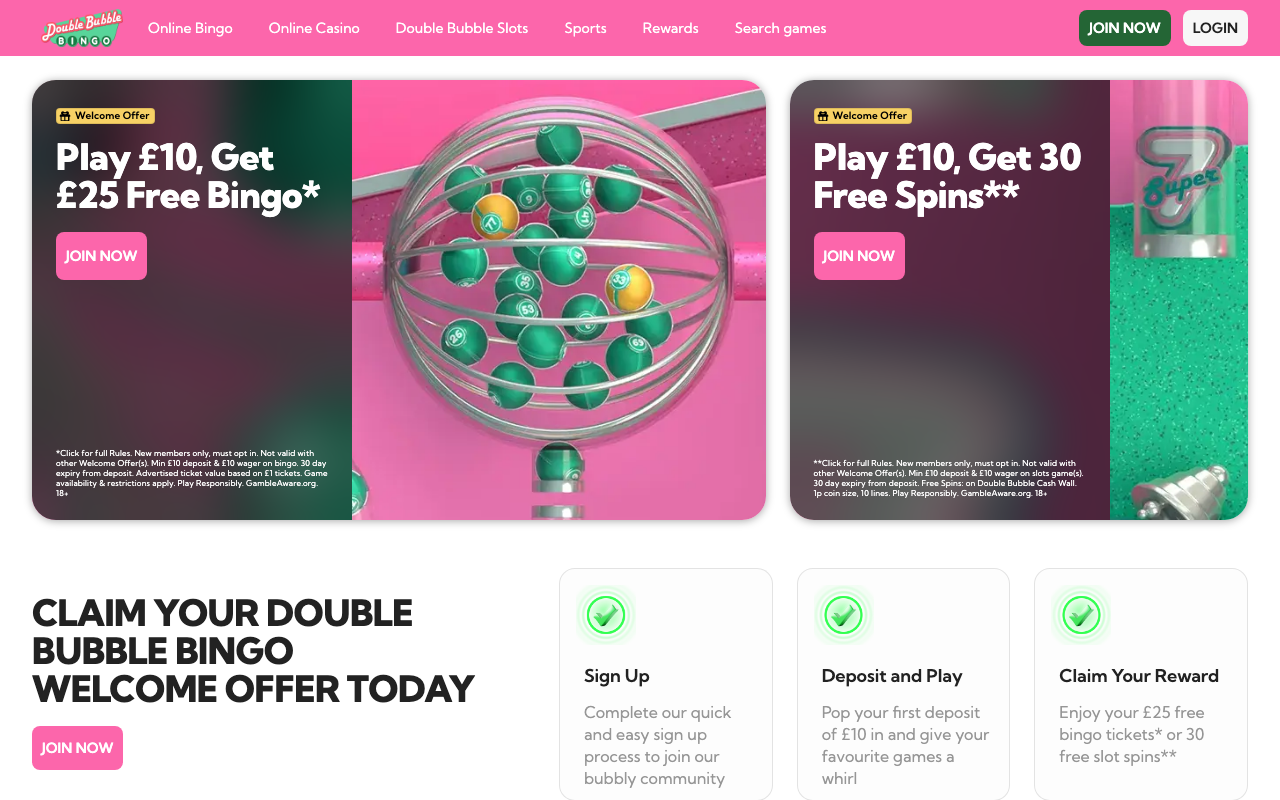
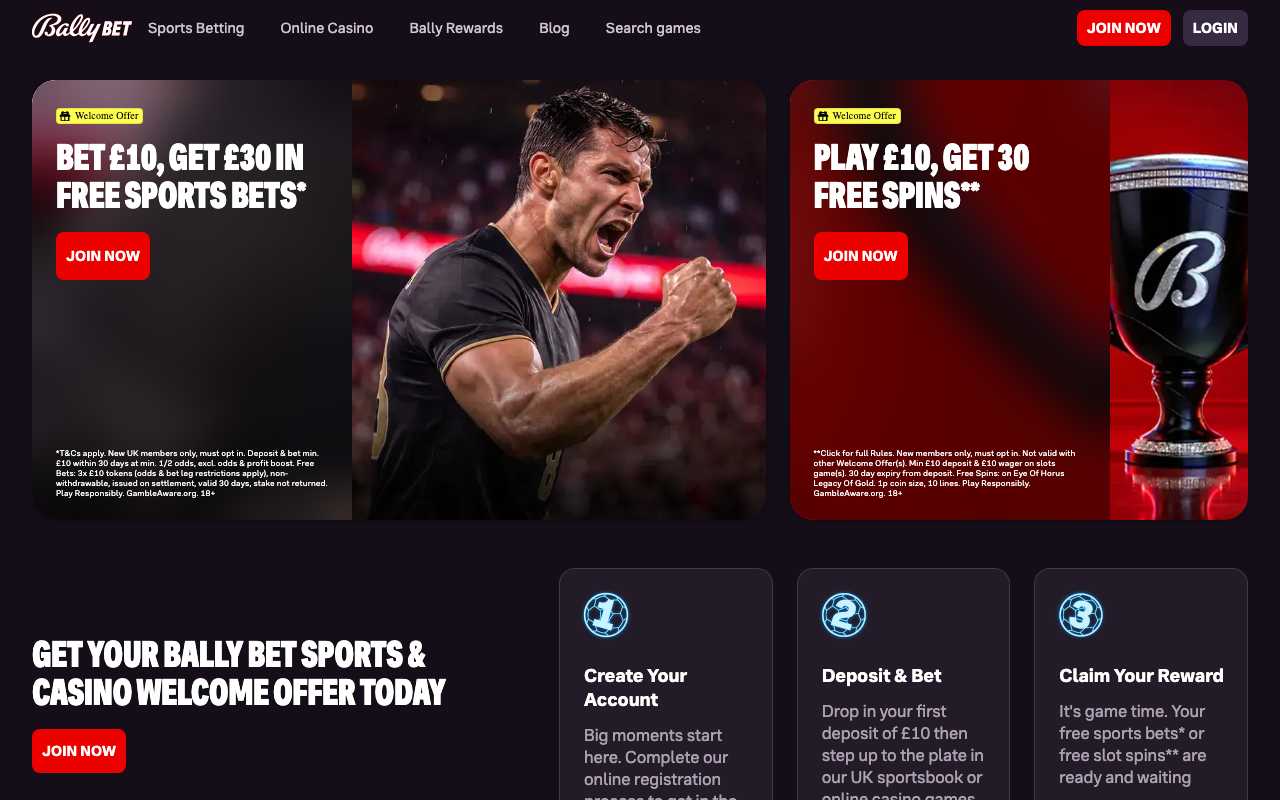
The verification guide provides the operator check if a reader first needs to establish whether two brands are related. For example, the Gamesys register records Jackpotjoy, Bally Casino and Double Bubble Bingo under one licensee, but it does not publish a player's eligibility for a promotion at any of them. A copied affiliate list is weaker evidence still. The actual offer and account terms remain the documents that can answer an individual's eligibility question.
Which promotion terms apply to a former customer?
Start with the precise offer being discussed. Record the brand, domain, promotion name, publication or start date, and full terms accessible at the time. Promotional pages change, sometimes while a cached search result or older review remains visible. A review's amount and conditions may describe an expired campaign. Even if the operator is unchanged, a new campaign can use a different definition of “new customer”. Do not apply a rule from last year's promotion to today's terms.
Read the eligibility section before calculating a headline value. Look for phrases covering prior accounts with the operator, related brands, group companies or any site operated under a specified licence. These formulations are not interchangeable. “One per person” may exclude a second account at the same site but says little by itself about a different brand; “not available to existing customers of any brand operated by X” is much wider. The exact wording matters, so a brief quotation may be necessary when analysing a live case. This publication avoids reproducing promotional language without the conditions that change its meaning.
Check whether the terms define a qualifying customer by person, account, household, address, payment instrument or device. A restriction can use more than one identifier. A new email address may create a technically separate login while the operator still treats the person or household as previously registered. Conversely, a shared licence number does not prove that the terms include every brand under it. The clause must be read for its own scope.
| If the current clause refers to… | Check against the customer’s history |
|---|---|
| Previous customers of this brand | Earlier accounts at the named service. |
| Customers of the operator or related brands | Accounts at each brand covered by the clause. |
| A person or household | The person, address and any household definition in the terms. |
| A payment method or device | Whether the clause extends beyond the account name. |
Does a new account mean a customer is eligible?
Some brands share a login system; others under the same company may ask for a separate account. That operational design can affect how a promotion is delivered, but it does not override the legal conditions. A person may be able to fill in a second registration form without being eligible for an introductory offer. Checks can occur later, including at payment, withdrawal or manual review. This does not establish wrongdoing in any particular case; it explains why form acceptance is weak evidence of entitlement.
Identity verification can also recur between brands. A company holding information from one service does not necessarily waive the checks required at another. A marketing page may describe one account journey while the underlying terms specify a different scope. If a decision depends on eligibility, keep the operator's written answer and the terms that applied. Do not attempt to test a restriction by entering false details or opening accounts to bypass a rule.
The distinction matters particularly where two brands have different products. A bingo brand and a slots brand might be operated by one legal company yet advertise different campaigns. They can have different offer mechanics and still impose a common prior-customer rule. Conversely, product similarity does not demonstrate common operation. Each proposition requires its own evidence: operator documents for the relationship, promotion documents for eligibility, and account terms for how an account is managed.
Which bonus conditions can change the value of an offer?
Even when a person qualifies as a new customer, the displayed amount is incomplete without the terms that govern use and withdrawal. Check the minimum deposit, qualifying payment methods, eligible games, contribution rates, wagering basis, expiry and any maximum conversion or win cap. Wagering on deposit funds, bonus funds or winnings can produce materially different obligations. A number without its calculation basis is not a useful comparison.
A site can also attach a time limit to both claiming and using an offer. Another condition can limit the number of accounts per household or the frequency of similar offers. The relevant clause may be in general bonus terms rather than the short landing-page text. If the documents conflict, seek a written clarification and retain a copy of the version shown at the time. A publisher should not resolve the conflict by repeating only the more generous interpretation.
The Gambling Commission’s guidance on fair terms requires GB licensees to treat customers fairly and transparently. Its promotion guidance addresses significant conditions, including exclusions. Those rules are relevant when a restriction is disputed; they do not decide one person’s eligibility without the actual offer terms. We do not display an offer as a call to action or send readers to registration pages.
| Condition | Question the full terms must answer |
|---|---|
| Qualifying deposit | What minimum, timing and payment methods apply? |
| Wagering basis | Is the requirement calculated on deposit, bonus funds or winnings? |
| Eligible games | Which games count, and do they contribute at different rates? |
| Expiry and caps | When must the offer be used, and is a maximum conversion or win stated? |
Can a licence register answer a welcome-bonus question?
For a brand claiming to serve Great Britain, the Gambling Commission business register helps identify the licensed company and its submitted domains. That can show why cross-brand conditions are worth checking. The register does not publish the eligibility clause for every offer, and it does not guarantee a second welcome benefit. A publisher who converts one licence into a universal bonus rule is using the record for a question it was not designed to answer.
If an operator refers to a licence issued elsewhere, do not treat it as a GB licence. The Commission states that an overseas licence does not authorise gambling service to consumers in Great Britain. An offshore sister relationship cannot make a foreign-licensed promotion a British-regulated offer. This publication may explain such a claim when readers encounter it in search results, but it does not recommend registering with or depositing at an unlicensed service.
How should two related brands’ terms be compared?
Consider two hypothetical brands, A and B, under a confirmed operator. Brand B advertises a first-customer promotion. First read the exact definition of first customer. If it says “not previously registered with this operator or any of its brands”, a previous account at A is plainly relevant. If it says only “new to B”, the text may point in a different direction, but other general terms could still qualify it. Read all incorporated terms rather than one sentence in isolation. This is a method example, not a representation of any named casino's current terms.
Registration at B would show that a form accepted the details, not that the offer will be awarded. If a clause remains ambiguous, request the operator’s written interpretation and keep the dated terms. Eligibility can also depend on a household or payment-method restriction even where the two brands have different operators.
What should a customer keep if a welcome offer is refused?
Preserve the offer page, incorporated terms, dates, account messages and any decision from the operator. State the precise clause and why the facts appear to meet or not meet it. Use the operator's complaint procedure rather than opening another account to test the same restriction. For a GB-licensed business, the Commission's complaint guidance explains the sequence and the role of an alternative dispute resolution provider where applicable. A regulator record identifies the licensed company; it does not adjudicate an individual offer simply because two brands share a company.
Where the service is not GB-licensed, do not assume the GB route applies. Identify the legal operator and the complaint mechanism in its terms. Our editorial methods separate an operator-published rule from our inference about it, and a complaint report from a proven breach. Readers looking for help reducing or stopping gambling should use support resources rather than searching for a second offer. That protective advice applies regardless of whether a particular promotion would have been available.
Restrictions can overlap: a new customer may still fall within a household or payment-method exclusion. The Sister Sites directory identifies documented operator links; the promotion's current terms decide an individual offer question. Ask for those terms before relying on eligibility.

Frequently asked questions
Does an old account at a sister casino affect new-customer status?
The answer depends on the offer’s definition of a new customer. Check whether it excludes any previous account with the operator or named related brands, and whether it sets a time limit. An old account does not disappear from the wording merely because the brand looks different.
Can a casino refuse a welcome offer after allowing registration?
Yes, if a restriction in the governing promotion applies. Registration and bonus eligibility can be separate decisions. Save the offer page and incorporated terms as they appeared when you registered, then ask which exact clause the operator applied.
Can another household member’s account affect welcome-offer eligibility?
It could if the current offer restricts a household, address or shared payment method. The operator relationship alone does not create that rule. Read the promotion’s own definition and request a written explanation if the restriction is applied to your account.
What should a customer request after a welcome offer is refused?
Ask the operator to identify the eligibility clause and the facts it used. Keep the dated promotion page, incorporated terms, registration details and its written reply. Those records matter more to the dispute than an unsourced list of sister brands.